In the beginning, it was just a game. One we've all played numerous times: select the squares with a stop sign, enter the text below, reassemble the puzzle — and check the box declaring, "I am not a robot."
Yet, every time we select images determining whether what we see is a cat or a croissant, we end up working for Big Tech.
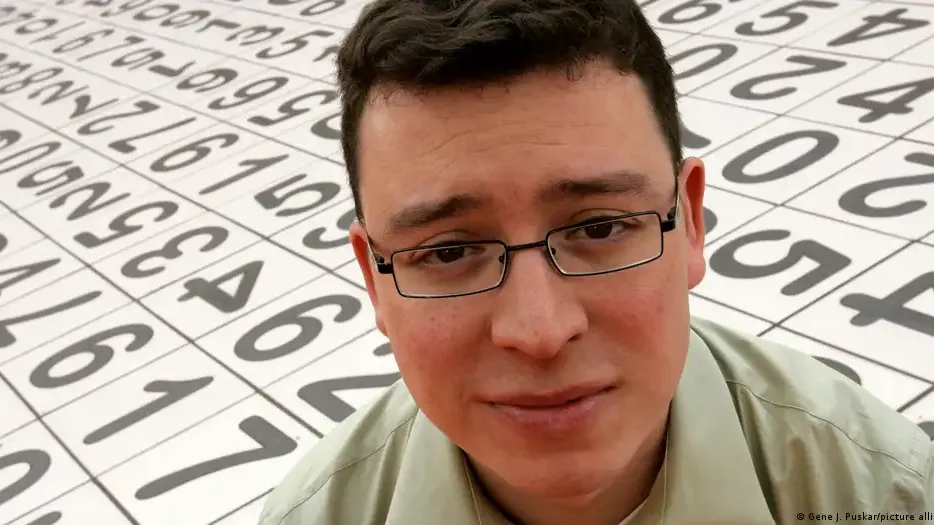
When Guatemalan computer scientist Luis von Ahn first proposed the idea of "games with a purpose" (GWAPs) in 2004, his goal was to harness human brainpower so that computers could learn from it. His idea was simple: Get humans to solve tasks that are trivial to us but difficult for computers back then, like labeling images, transcribing text or classifying data.
And what better way to make people work for computers than by turning labor into play?
Get rich by letting others work for you
Von Ahn first developed the ESP (extrasensory perception) Game: Two players were randomly paired and shown the same image but could not communicate. Each described the picture within a time limit, earning points when their labels matched. Those matches verified image descriptions, which were then stored in a database.
In 2006, Google licensed the concept to create its own version, the Google Image Labeler. A year later, von Ahn launched reCAPTCHA, based on the same principle: humans solving problems that computers couldn't. But when humans solved CAPTCHAs, they were unknowingly transcribing words from scanned books and newspapers that computers couldn't digitize. Von Ahn sold reCAPTCHA to Google in 2009.
And he did not stop there. In 2011, he and Severin Hacker founded Duolingo, applying the crowdsourcing model to language learning: Users translate texts and label images in exchange for free lessons, creating a massive database of high-quality language data which is monetized: It trains AI models and is used for Duolingo's commercial English proficiency exam.
"The idea was to contribute to a commons, so that we could help computers get smart, and the benefits would be evenly distributed," Ulises Ali Mejias, a professor of communication studies at State University of New York (SUNY) at Oswego tells DW. "But the story didn't go this way, right? Because Luis von Ahn captured all this free data, sold it to Google and then used the profits to start his next venture: Duolingo."